
By late August the conversation about 2026’s best games has already settled into familiar lanes. Forza Horizon 6 and Mina the Hollower sit at the top of the Metacritic pile with 90s. Resident Evil Requiem, Pokémon Pokopia, Pragmata, Saros, and a handful of others fill out the usual contender lists. GTA VI is still months away and already treated like the final boss of the year. The discourse is loud, competent, and mostly predictable.
My personal best game of 2026 so far is none of those.
It is Cairn.
Why the obvious contenders make sense — and why they are not mine
Forza Horizon 6 is an exceptional open-world racing game. Playground Games knows exactly how to make driving feel generous and joyful. Mina the Hollower is a meticulously crafted top-down adventure that respects its Game Boy Color roots while adding real mechanical depth; I already wrote about how good it is. Resident Evil Requiem delivers the kind of polished, high-production horror Capcom does better than almost anyone. These games deserve their scores. They are easy to recommend and easy to celebrate in public.
They are also games that largely deliver what their marketing and their genres already promised. I enjoyed time with several of them. None of them rearranged the way I think about what a game can ask of me.
Cairn did.
What Cairn actually does
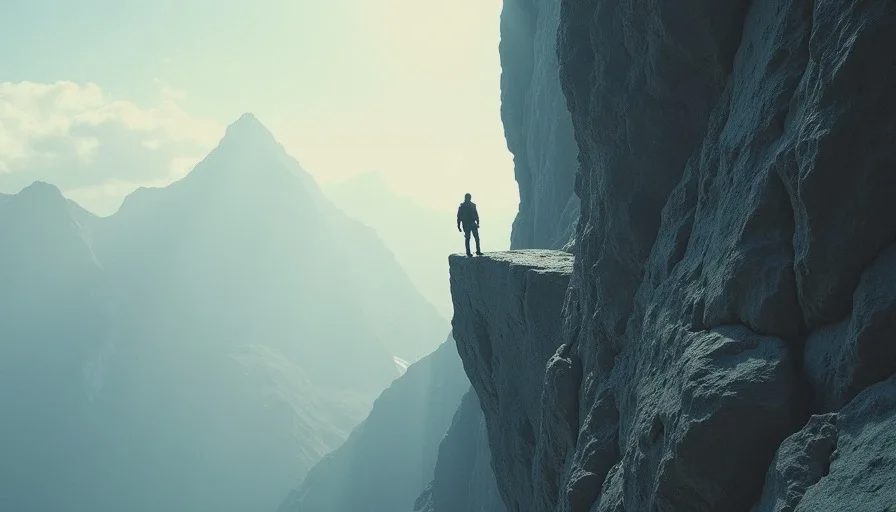
You control Aava, a professional climber determined to be the first person to summit the fictional Mount Kami. You climb by placing each of her limbs individually — finding cracks, ledges, and imperfections, committing to holds, managing posture and weight. You also manage hunger, thirst, temperature, and limited gear. The mountain is vast, beautiful, and indifferent. Routes are chosen, not prescribed. Progress is slow, physical, and frequently precarious.
There is no spectacle checklist. No constant soundtrack telling you how epic the moment is. The systems stay quiet and honest. When you are cold, tired, or running out of secure placements, the next move simply becomes harder. The tension is generated by the act itself rather than by scripted set pieces.
I have written about the mechanical details before. What has stayed with me is the emotional aftertaste. By the final stretches of the ascent I was fully invested in whether Aava would reach the top and what the cost of that obsession had already been. When the ending arrived I sat in silence for a long time. That does not happen often.
The difference that matters
Most of the year’s highly rated games are excellent at delivering their fantasy at scale. Cairn is excellent at making a single, difficult human activity feel intimate and consequential. It trusts the player to care about centimeters of progress. It treats the mountain as a character rather than a backdrop. It understands that perseverance can be moving without being sentimental.
In a year full of large, polished, high-production experiences, the game that earned the most evenings from me — and the most reflection afterward — was the one that asked me to move one hand, then one foot, then the other hand, over and over, while the weather changed and the summit stayed distant.
That is not the answer the aggregates or the timeline expect. It is the one that feels true to the way I actually spend late nights with games.
A provisional ranking, not a final one
There are still months left in 2026. Big titles are still coming. Some of them will be excellent. A few might even displace Cairn for me. I am not declaring a locked Game of the Year. I am saying that, as of late August, the game that has mattered most — the one that combined mechanical clarity, emotional weight, and a clear authorial point of view — is a climbing survival game about a woman who cannot stop reaching for the next hold.
The best game of the year so far, for me, is the one that made the act of progress itself feel costly and worth it.
That is not what the lists are saying. It is what the evenings said.
— Alex




No notes yet — write the first.