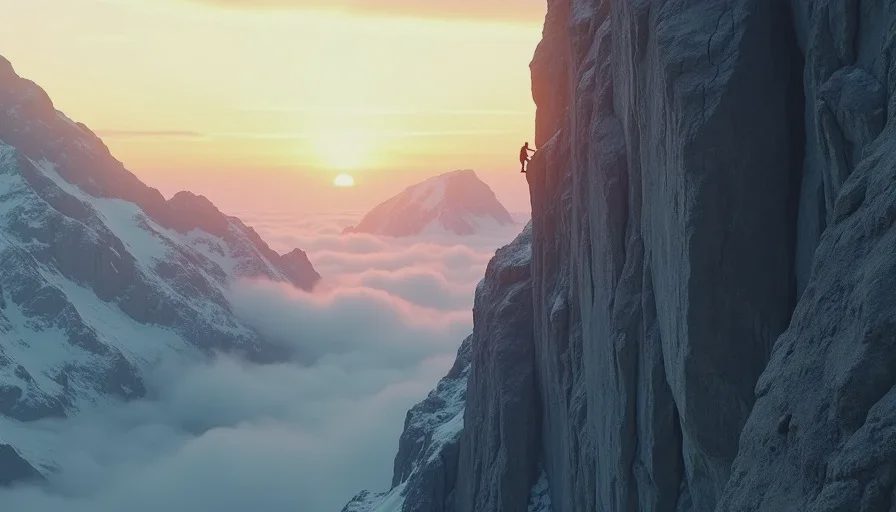
I did not expect to cry at a climbing game.
Cairn released at the end of January 2026 from The Game Bakers, the studio behind Furi and Haven. You play as Aava, a professional mountaineer who has decided she will be the first person to stand on the summit of Mount Kami. The peak is fictional, Himalayan in scale and severity, and scattered with the remnants of people who once lived on its slopes. The game is a survival climber. You manage hunger, thirst, temperature, and the slow degradation of your body. Most importantly, you climb by placing each of Aava’s limbs yourself.
That last part is the entire game.
How the climbing actually works
You do not hold a button and watch a stamina bar drain while the character sticks to any surface. You select a limb—sometimes the game chooses for you based on posture and weight distribution—and move it toward a crack, a ledge, a tiny imperfection in the rock. You commit. Then you do it again with the next limb. Progress is incremental and physical. A bad sequence of placements leaves you stretched, unstable, and one slip away from a long fall. Pitons can be driven into the rock for safety, but they are limited and require a small skill check. Weather changes. Night falls. Resources run low.
The controls sound fiddly on paper. In practice they become meditative once the logic clicks. You start reading the wall the way Aava would. You begin to feel the difference between a secure hold and a hopeful one. The tension is constant but rarely cheap. When you finally pull yourself onto a ledge after a long, careful sequence, the relief is physical. I caught myself exhaling out loud more than once.
The mountain as character
Mount Kami is not a backdrop. It is the other lead. The game gives you real freedom to choose routes. Some paths are more obvious. Others are longer, harder, or more exposed. The mountain does not care which one you pick. It only responds to whether your placements are good enough and whether you still have the strength and supplies to continue.
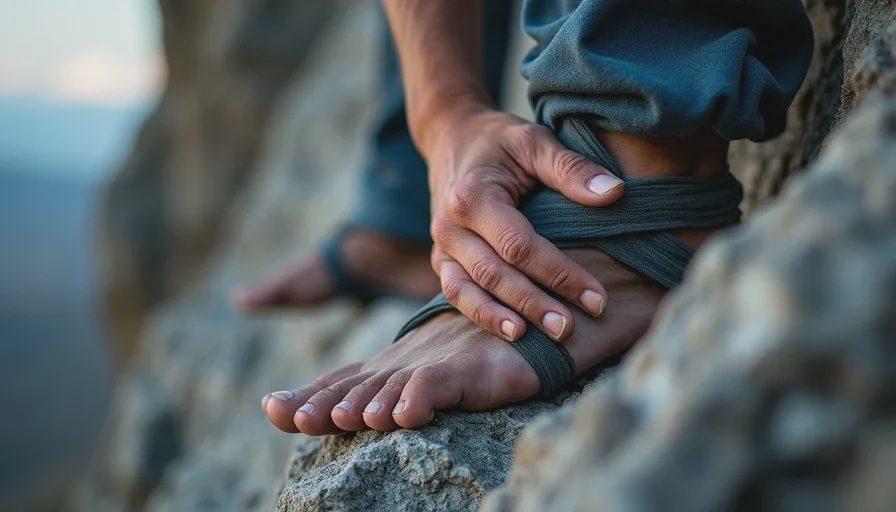
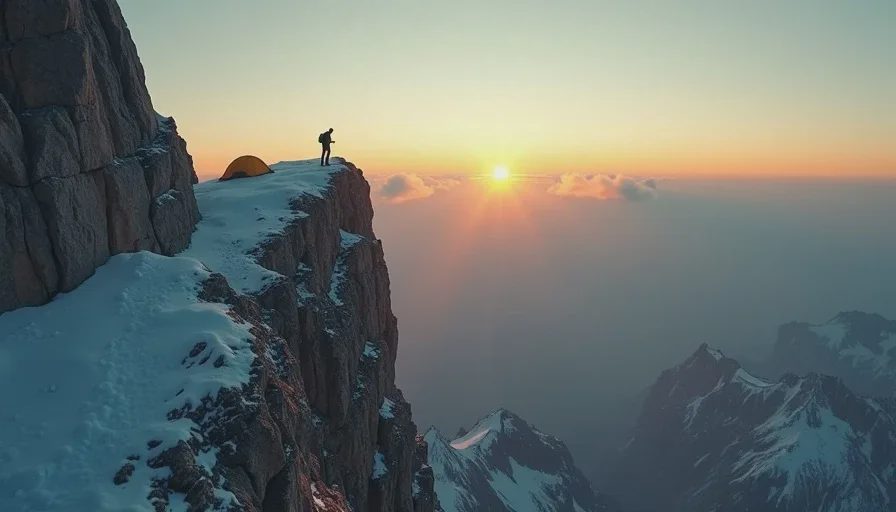
Between climbs you manage the bivouac: tape your fingers, cook what you have scavenged, repair gear, rest. A small robot companion named Climbot retrieves pitons and occasionally delivers messages. The solitude is deliberate. Other climbers and traces of past expeditions appear, but the core relationship is between Aava and the rock. The writing stays quiet about her obsession for a long time. It lets the climb itself reveal the cost.
Why it landed so hard
I have played plenty of games that use difficulty as atmosphere. Few make the difficulty feel this intimate. Every meter gained is the result of decisions you can see and feel. When Aava is cold, hungry, or running out of secure holds, the systems do not shout. They simply make the next placement harder. The mountain does not need to monologue about respect or hubris. You feel both while your hands are still on the controller.
The emotional weight sneaks up. Early on the game is about competence and route-finding. Later it becomes about why someone keeps going when the rational choice is to turn around. By the final stretches I was fully invested in whether Aava would reach the top and what it would mean if she did. When the ending arrived I sat with it for a long time. The Guardian review mentioned tears. I understand why.
This is not a long game in raw hours—most players finish the main ascent in the mid-teens—but it feels substantial because almost nothing is filler. The survival systems stay light enough that they never become spreadsheet management. They exist to keep the climb honest.
Who this is for
If you need constant action or fast feedback loops, Cairn will feel slow. If you bounce off deliberate, somewhat demanding control schemes, the limb placement may frustrate before it clicks. The game offers difficulty options, but the core fantasy remains the same: careful, physical progress up something that does not want you there.
If the idea of a game that treats climbing as both puzzle and endurance test appeals to you—if you like systems that create tension through restraint rather than spectacle—then this one is special. It has the same quiet confidence as the best work from this studio. It knows exactly what experience it wants to deliver and refuses to pad it.
I finished Cairn and immediately wanted to talk about it the way you talk about a book that rearranged something small but important. That does not happen often. The mountain is still in my head. So is Aava’s stubborn, costly decision to keep reaching for the next hold.
This one earned the evening. It also earned the quiet that came after.
— Alex



No notes yet — write the first.