President Simulator is the kind of game that makes you say, “I’ll just check one more policy,” and then look up to discover that your fictional country is broke, furious, and somehow at war with its closest trading partner. It is a political strategy sandbox built around decisions, consequences, and the particular joy of watching a spreadsheet develop emotional problems. I went in expecting a dry management exercise. I found something much more entertaining: a messy little machine that keeps asking how much of your idealism you are willing to sell for next month’s approval rating.
What President Simulator is actually about
At its core, President Simulator gives you a country to manage and a long list of problems that refuse to arrive one at a time. The economy needs attention. Citizens want services. Industry wants lower taxes. Military leaders want funding. Neighboring nations want favors, trade deals, or pieces of your patience. Every choice pushes against another system, which is where the interesting friction lives.
This is not a power fantasy where you click “build hospital” and receive a cheerful green check mark. A new public program costs money. Raising taxes can damage popularity. Cutting spending can create unrest. Investing in defense might discourage an enemy while leaving schools and transportation underfunded. President Simulator understands that governing is mostly choosing which complaint you can survive.
The interface is more important than it first appears. Numbers, menus, reports, and alerts form the real battlefield. If you enjoy games such as Democracy 4, Tropico, or Crusader Kings III, you will recognize the pleasure of turning a complicated dashboard into a readable story. The difference is that President Simulator feels less like playing a heroic leader and more like being handed a folder marked “urgent” at 8:47 a.m.
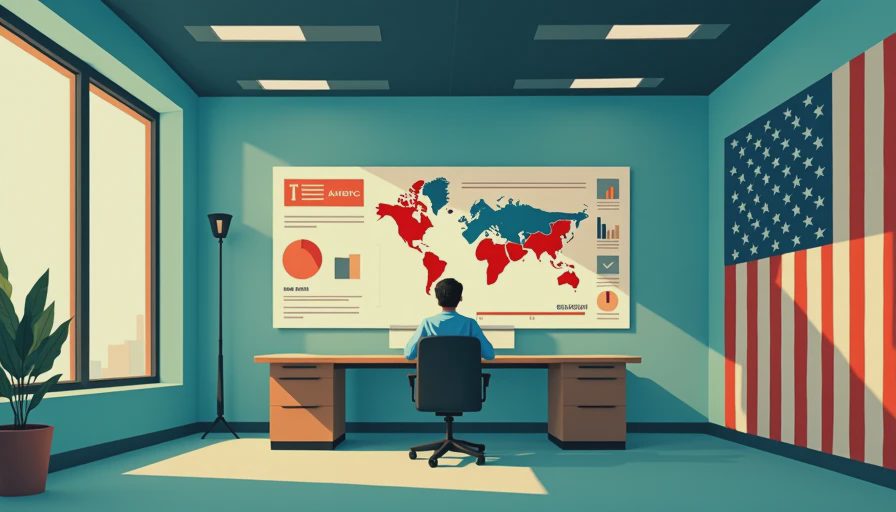
The fun is in the consequences
The best moments in President Simulator are rarely the obvious victories. They are the strange aftershocks. You approve an economic reform because unemployment is climbing, then discover that a different sector has lost confidence. You make a compromise with a political faction, only to find that your supporters now think you have become exactly the person you promised not to be.
That cause-and-effect structure gives ordinary decisions some weight. A budget change is not just a number moving upward. It can alter public satisfaction, production, diplomatic relationships, and the options available later. The game creates a useful kind of paranoia: every positive result feels temporary because you are already wondering what it quietly damaged.
I especially like systems that let failure become a story rather than a simple game-over screen. President Simulator works best when a bad decision produces a new problem that can still be managed. The country does not instantly explode because you made one unpopular appointment. Instead, you get protests, falling support, rival factions, and a fresh reason to stare at the screen like an exhausted mayor in a disaster movie.
Is President Simulator difficult to learn?
There is a learning curve, mostly because the game presents several layers at once. You are not only watching money and approval. You are also interpreting trends, responding to events, and learning which actions have delayed effects. The first run can feel less like a tutorial and more like being dropped into a cabinet meeting where everyone assumes you read the briefing.
That roughness is part of the charm, but it can also be the biggest barrier. New players should resist the temptation to change everything immediately. Start by checking the country’s major weaknesses, identify which resources are already stable, and make one or two targeted adjustments. If you rewrite the entire budget, overhaul social policy, and pick a fight abroad in the first few turns, the resulting collapse is technically your fault, but the game will not be gentle about explaining why.
The most useful habit is keeping an eye on trends instead of celebrating single-turn results. A popularity score that rises today may fall next month. A profitable industry can become a political liability. In President Simulator, patience is not passive; it is another form of management.

The role-playing potential is surprisingly strong
You can approach President Simulator as a pure optimization puzzle, but that is not where I found the most personality. The better question is not “What creates the highest score?” It is “What kind of leader am I willing to become?” That shift turns dry choices into role-playing prompts.
Maybe you run a cautious administration that protects stability above all else. Maybe you pursue aggressive modernization and accept temporary pain. Maybe you try to build a generous welfare state while searching for enough revenue to keep it alive. Or maybe you begin with noble intentions and slowly turn into the sort of leader who describes every unpopular measure as “necessary.” The game gives you room to invent that arc.
The fiction emerges from the pressure between systems. A country with strong growth but weak public trust feels different from one with modest prosperity and broad stability. When a crisis arrives, your previous decisions determine whether you have tools available or merely speeches. That is much more memorable than a scripted cutscene telling me my leadership matters.
Who should play it?
President Simulator is a good fit for players who enjoy menus with consequences, long-term planning, and games that let them make imperfect choices. If you like looking at a chart and immediately wanting to know why it moved, there is plenty here to occupy a rainy evening. Fans of grand strategy may appreciate the political focus, while city-builder players may enjoy the budget and infrastructure decisions without needing to place every individual road.
It is less suitable if you want immediate action, constant visual spectacle, or a clearly defined campaign objective. This is a thinking game. Sometimes the excitement is approving a modest reform and waiting to see whether the economy survives. That sentence will either sound fascinating or like a personal threat. There is not much middle ground.
I would also recommend approaching it with curiosity rather than a strict winning mindset. The rough edges become easier to forgive when you treat each run as an experiment. Try a different tax approach, prioritize a neglected public service, or see how far diplomacy can carry a weak military. President Simulator becomes more interesting when you stop trying to produce a perfect nation and start observing the nation you accidentally created.
Final thoughts before you take office
President Simulator is not polished into a frictionless power trip, and that is exactly why it caught my attention. Its best ideas live in the uncomfortable spaces between a good intention and an ugly consequence. You are constantly balancing approval, money, security, services, and your own preferred version of morality. Sometimes the correct move is obvious. More often, every option has a bill attached.
The experience could use clearer onboarding and a friendlier explanation of some systems, especially during the opening hours. Still, once the relationships between policies begin to click, the game develops a satisfying rhythm. Read the reports, make a decision, wait for the backlash, adjust the plan, and pretend you definitely meant to do that.
If you want a political sandbox with enough room for personal stories, strange failures, and late-night second-guessing, President Simulator deserves a look. It is a little dry, occasionally overwhelming, and weirdly human in the way it turns numbers into regret. This one earned my evening.





No notes yet — write the first.