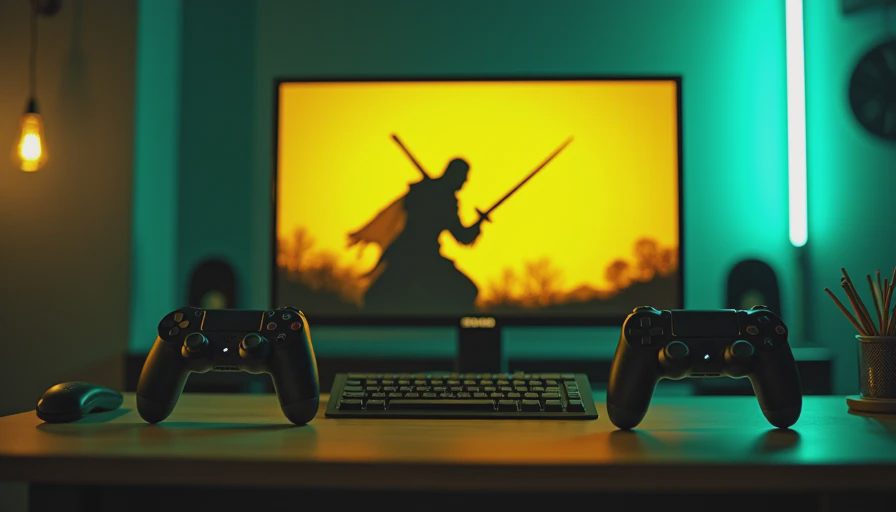
Sekiro: Shadows Die Twice is the kind of game that makes you question your hobbies at 1:17 a.m. You will lose to the same boss, stare at the defeat screen, and then whisper, “Again.” That sounds unpleasant, and occasionally it is, but FromSoftware built something unusually focused here. There are no character builds to hide behind, no oversized weapon to carry you through every problem, and no friendly co-op summon waiting to turn a nightmare into a group project. You learn the blade, the rhythm, and your own stubborn limits.
I thought I knew what this game was. I did not. At first, it looks like another grim fantasy action RPG from the studio behind Dark Souls and Bloodborne. Then the combat clicks, and the entire thing becomes a tense conversation conducted with steel. This one earned my evening.
The combat asks for confidence, not patience alone
The defining idea in Sekiro: Shadows Die Twice is posture. Enemies have a posture gauge that breaks when you apply enough pressure, creating an opening for a devastating deathblow. Health still matters, but slowly shaving away a huge life bar is often the less important plan. You are trying to stay close, deflect attacks, punish hesitation, and keep the fight moving.
That changes the emotional texture of every encounter. In Dark Souls, backing away to recover can be sensible. In Sekiro, backing away may give an aggressive opponent time to regain posture and reset the conversation. The best fights feel like a rhythm game designed by someone who hates menus. A sword strikes, you deflect, sparks burst, and the enemy staggers just long enough for you to understand that your hands are finally learning something.
The deflect window is generous enough to make mastery possible, but strict enough that panic remains expensive. Mashing the guard button sometimes saves you early on, yet the game steadily teaches you to listen for attack patterns instead of reacting to visual noise. When a boss finally stops feeling impossible, the victory is personal. You did not simply find better equipment. You became better at reading the room.
The Shinobi Prosthetic keeps the fights creative
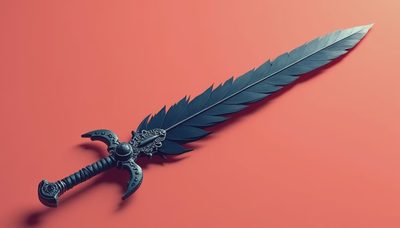
Wolf’s prosthetic arm is more than a collection of flashy gadgets. It is a practical toolbox for turning specific enemy advantages against them. The loaded umbrella can help manage incoming attacks, firecrackers create openings against certain beasts, and the grappling hook changes how you navigate both combat arenas and vertical spaces. These tools are not automatic win buttons, which is exactly why they remain interesting.
A useful prosthetic can make a hard encounter feel newly legible. Firecrackers can interrupt an animal long enough to create breathing room. A well-timed axe can punish an enemy hiding behind a shield. The game rewards experimentation, especially when you stop treating every fight like a test of your sword alone. Some tools consume spirit emblems, so using them carelessly can leave you empty when a boss phase becomes genuinely dangerous.
Stealth also gives the prosthetic system room to breathe. You can thin out groups, remove a health node from a miniboss, or reposition before the serious work begins. This does not turn Sekiro: Shadows Die Twice into a stealth game, but it prevents every encounter from becoming a straight hallway brawl. The best approach often combines scouting, a quiet takedown, one useful tool, and then a very loud argument with a sword.
Bosses that teach instead of merely punish
The boss design is where Sekiro: Shadows Die Twice becomes difficult to leave behind. Several major encounters are built around a clear lesson, but they do not announce it with a tutorial window. One boss may teach you to stay aggressive. Another may punish jumping backward. A later fight may demand that you recognize sweeping attacks, thrusts, perilous moves, and shifting phases without losing your nerve.
The Guardian Ape is a memorable example because it refuses to let the player settle into one comfortable answer. It is grotesque, funny in a deeply uncomfortable way, and mechanically disruptive. Lady Butterfly tests aerial attacks and illusion management while also exposing players who rely too heavily on frantic button presses. Genichiro Ashina is the early wall many players remember, not because he is unfair, but because he checks whether you truly understand the combat system.
Then there is the final stretch, where the game asks you to combine nearly everything it taught you. Reaching that point feels less like collecting a powerful build and more like graduating from a very hostile martial arts class. Sekiro: Shadows Die Twice can be brutal, but its best difficulty is specific. When you fail, the game usually gives you a clue about what to practice next.

Exploration rewards curiosity without drowning you in chores
Ashina is not an enormous open world padded with icons. Its areas loop back into one another, hide vertical paths, and reveal new routes as your movement options expand. The grappling hook makes rooftops and cliffs part of the conversation, while underwater sections and tucked-away temples add a little mystery beyond the main road.
The level design has a pleasing sense of physical memory. You remember a locked gate, a suspicious ledge, or a gap that seemed unreachable earlier. Returning later can turn an old dead end into a shortcut or a completely different encounter. That structure makes exploration feel like paying attention rather than clearing a spreadsheet.
There are collectibles and optional bosses, but the game rarely feels like it is begging you to vacuum every corner. You can follow the main route, wander into trouble, or chase a side path because a distant roof looks interesting. Some optional discoveries are mechanically useful, while others simply deepen the strange, melancholy world. The story trusts environmental details, quiet conversations, and half-explained rituals more than long exposition dumps.
A story about loyalty, immortality, and letting go
The plot follows Wolf, a shinobi sworn to protect his young master, Kuro. That setup gives the story a clear emotional spine even when the mythology becomes wonderfully strange. Immortality is not presented as a simple superpower. It is a burden that spreads suffering, attracts desperate people, and forces characters to decide whether loyalty means obedience or compassion.
Wolf is quieter than many FromSoftware protagonists, which makes his rare spoken lines matter. He is not a blank avatar waiting for the player to project a personality onto him. His relationships with Kuro, Emma, the Sculptor, and the Owl give the journey a sense of personal history. The setting feels damaged by old promises, and nearly everyone seems to be reaching for a version of the past that no longer exists.
The endings reward paying attention to those relationships. You do not need to understand every piece of lore to care about the central conflict, but curiosity adds texture. Sekiro: Shadows Die Twice is at its strongest when its supernatural ideas stay connected to human grief and responsibility.
Should you play it on Steam?
If you want a relaxed action game, probably not. Sekiro: Shadows Die Twice does not offer difficulty settings, character classes, traditional multiplayer, or a convenient build that lets you ignore its core combat. It expects practice. A first major boss can take an evening, and the game will not apologize for asking you to return tomorrow with steadier hands.
If you enjoy single-player games that make improvement feel tangible, this is an easy recommendation. Use a controller if that is your preference, keep the frame rate stable, and resist the urge to watch a complete boss guide before giving yourself a real chance to learn. When stuck, practice deflect timing on ordinary enemies rather than throwing yourself at a wall for two hours.
The PC version is a particularly good fit for players who want a focused game rather than another hundred-hour checklist. It is lean, atmospheric, mechanically confident, and full of encounters you will remember long after the credits. Sekiro: Shadows Die Twice does not meet you halfway, but it does teach clearly when you pay attention. By the end, the sword feels less like a weapon and more like a language.
That is why I keep recommending it. It is demanding without being empty, strange without losing its emotional center, and polished without sanding away its personality. I went in expecting another difficult FromSoftware pilgrimage. I left feeling like I had actually learned a skill. Pixels was unimpressed, naturally, but this one earned my evening.



No notes yet — write the first.