Wuchang: Fallen Feathers is the kind of game that makes me sit forward in my chair and forget to check the time. It has ruined landscapes, grotesque monsters, heavy sword swings, and enough unanswered questions to keep my brain chewing after I close Steam. I thought I knew what this game was. I did not. Beneath the familiar soulslike bones is a moody action RPG with its own sense of place, and that matters more than another perfectly timed dodge roll.
The setting draws from a dark fantasy interpretation of the late Ming Dynasty, but this is not a history lesson wearing armor. It is a haunted, diseased world where ruined settlements, forbidden rituals, and supernatural corruption create a constant feeling that civilization has already lost. You play Wuchang, a pirate warrior dealing with memory loss and a mysterious illness. That premise gives the adventure a personal center instead of making you another silent wanderer collecting tragic exposition from damp corpses.
The world feels sick in a compelling way
The strongest early impression from Wuchang: Fallen Feathers is its atmosphere. Villages do not simply look abandoned; they feel contaminated. Forest paths are too quiet, temples hide things they should not, and the architecture creates a visual rhythm that makes every new area feel like a story fragment. The color palette leans into muddy earth, weathered wood, faded cloth, and sudden supernatural reds. It is not always pretty, but it is rarely bland.
That visual identity helps the exploration land. You are not just moving through disconnected combat arenas toward the next boss. Shortcuts loop back into familiar spaces, locked doors tease future routes, and odd environmental details suggest that something happened before you arrived. I enjoy games that trust players to notice a bloodstain, a missing statue, or a strangely placed body without immediately adding a glowing objective marker. Wuchang: Fallen Feathers seems interested in that kind of quiet suspicion.
The atmosphere also gives the game room for tonal contrast. A bleak road can open into a striking vista, then immediately drop you into a room where something has clearly gone very wrong. That emotional whiplash is part of the appeal. This world is beautiful in the same way an abandoned theater can be beautiful: the craftsmanship remains, but the original purpose has been swallowed by decay.
Combat has weight, but it asks for patience
Wuchang: Fallen Feathers builds its action around deliberate attacks, stamina management, evasive movement, and enemy patterns that punish panic. The combat is not trying to make you feel invincible. A basic enemy can still interrupt a greedy combo, and a larger creature can turn one mistimed recovery animation into a trip back to the last checkpoint.
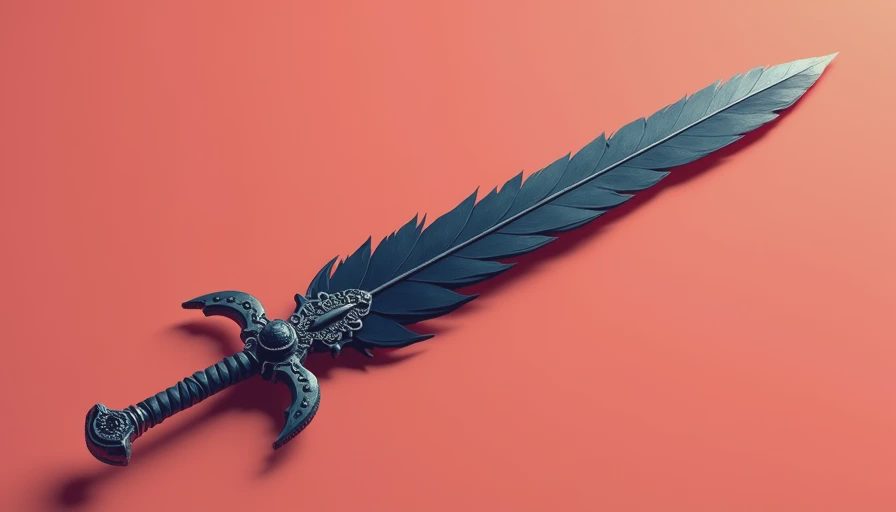
The weapon variety gives the fighting some welcome texture. Different weapons change your reach, timing, and preferred distance, while abilities and upgrades encourage experimentation instead of locking you into one obvious build. A broad weapon can make groups manageable, but a faster option may feel safer against an enemy with narrow openings. This is the kind of system where your favorite weapon often has less to do with raw numbers than with whether its rhythm makes sense in your hands.
The magic and corruption elements add another layer. Wuchang is not merely swinging steel through a lineup of monsters; she is also dealing with a condition tied to the world and its dangers. That creates an interesting tension between gaining power and accepting risk. I like mechanics that make progression feel slightly suspicious. If every upgrade is clean, predictable, and consequence-free, the fantasy starts to feel like spreadsheet maintenance. Here, advancement appears to carry a little contamination with it.
You still need to learn the fundamentals. Watch attack animations instead of health bars. Keep enough stamina to retreat. Do not mash through an encounter because the first two swings connected. The game seems built for the satisfying moment when an enemy that once felt impossible suddenly becomes readable. That moment is not free, though. It costs failed attempts, stubbornness, and occasionally an embarrassing amount of time.
The story is more intriguing than tidy
The narrative in Wuchang: Fallen Feathers appears to favor mystery over immediate explanation. Wuchang’s lost memories, the spread of the plague, and the strange behavior of the people she meets create several overlapping questions. Who is telling the truth? What exactly is happening to her body? Is the supernatural horror a disease, a curse, or something more complicated? I am much more interested when a game lets those questions breathe instead of explaining its mythology through a ten-minute opening monologue.
That approach can also frustrate players who want clean answers and a clearly marked route through the plot. Wuchang: Fallen Feathers is comfortable leaving space between clues. A conversation may hint at a larger conflict without spelling out every connection, while an item description can quietly reframe something you thought you understood. That style rewards attention, but it asks for patience from anyone who usually skips text to get back to the boss fight.
The character writing is important here because grim worlds need more than grim wallpaper. Wuchang works best when her personal uncertainty pushes against the larger disaster. Her journey is not simply about reaching the next area and defeating the next monster. It is also about figuring out which parts of her identity remain trustworthy. That gives the violence a little more emotional pressure than a standard revenge quest.

Who should play it?
Wuchang: Fallen Feathers belongs on the radar of players who like demanding action RPGs but want a setting that does not feel like another medieval European remix. If you enjoyed the oppressive discovery of Sekiro or the layered environments of a Souls game, there is an obvious reason to pay attention. Fans of Nioh-style build experimentation may also find the weapon and ability systems appealing, especially if they enjoy testing combinations rather than following one prescribed path.
It is less attractive if you want a relaxed power fantasy, constant quest markers, or combat that forgives button mashing. The appeal is built on friction. You will get lost occasionally. You will misread an attack. You will walk into a room with too many enemies and learn, once again, that confidence is not the same thing as preparation. Personally, that friction is part of the evening. A game does not need to be comfortable to be inviting.
The bigger question is execution. Ambitious soulslikes can stumble when their interface, enemy balance, or performance cannot support their ideas. A compelling world deserves clear menus, responsive controls, and checkpoints placed with enough generosity to preserve tension without creating busywork. Those practical details will decide whether the game feels like a memorable nightmare or an exhausting one.
The late-night recommendation
Wuchang: Fallen Feathers has the ingredients I want from a new action RPG: a specific atmosphere, a protagonist with an actual problem, combat that demands attention, and a world that seems to hide more than it announces. It does not need to reinvent the genre to earn my attention. It needs to make its version of the genre feel deliberate, strange, and emotionally grounded.
If you are browsing Steam for something darker than a standard fantasy adventure, keep Wuchang: Fallen Feathers on your shortlist. Watch a little gameplay, decide whether the combat rhythm speaks to you, and expect to spend time learning the world rather than rushing through it. I am drawn to games that leave a residue behind, the kind that makes a rainy evening feel more atmospheric than it was before. Wuchang: Fallen Feathers has that residue.
A little broken, weirdly human, and potentially much better because it commits to its own mood, this one earned my evening.



No notes yet — write the first.