Subnautica 2 is the rare sequel that makes me excited and nervous in equal measure. The original game turned a beautiful alien ocean into one of the most effective horror settings in survival gaming, mostly by letting my imagination do the expensive work. I could see the dark water below my tiny Seamoth, hear something enormous moving outside the lights, and immediately decide that staying home with a fish tank was the better life choice.
The sequel is being developed by Unknown Worlds and published by Krafton. It is planned as an early access game, with the developers presenting it as a new underwater survival adventure rather than a simple content expansion. That distinction matters. Subnautica 2 has to offer more than prettier coral and another collection of titanium scraps. It needs a reason to make us afraid of the ocean all over again.
What Subnautica 2 is actually promising
The clearest headline feature is cooperative play. Subnautica 2 is expected to support solo exploration as well as co-op for up to four players, which instantly changes the emotional rhythm. In the first game, being alone was not just a story detail. It was the pressure system. Every distant roar belonged to you. Every mistake in a wreck felt personal.
With friends, the same wreck could become a tense rescue operation, a chaotic argument over inventory space, or somebody loudly insisting they saw a giant creature when it was obviously a rock. That does not make the game less interesting, but it does make the sequel’s design challenge much bigger. Unknown Worlds has to preserve isolation even when a squad is laughing in voice chat.
The game is also being built in Unreal Engine 5, a move that should help with larger environments, lighting, and detailed underwater spaces. I care less about technical buzzwords than what they can do for atmosphere. The best moments in Subnautica happened when the world felt too large to understand. Better lighting, deeper sightlines, and more layered terrain could make that feeling hit harder instead of turning the ocean into a theme park.
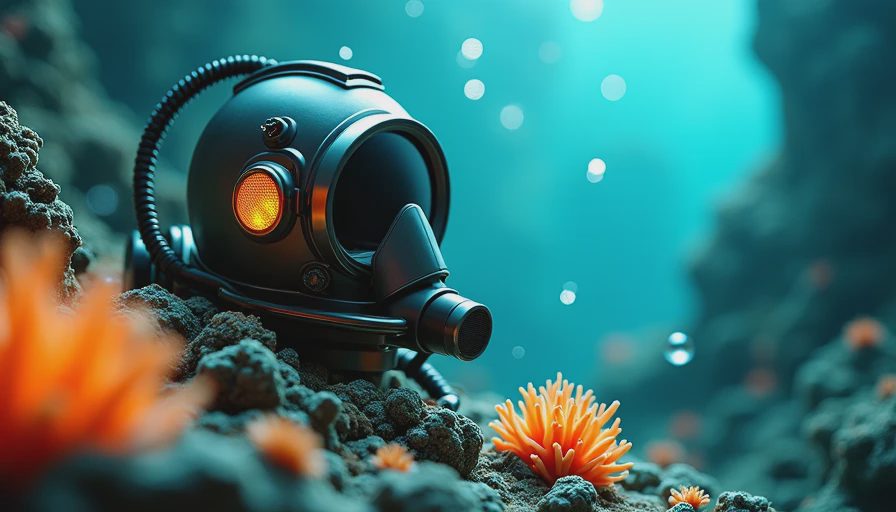
The part I am most curious about: exploration
The original Subnautica had a wonderfully mean sense of progression. You started with a damaged escape pod, a few tools, and absolutely no idea why the surrounding water contained so many things with teeth. Gradually, new blueprints opened deeper zones. Better equipment gave you confidence, and then the game punished that confidence with a cave that was darker, hotter, or full of something shaped like a submarine-sized nightmare.
Subnautica 2 needs to recapture that feeling without copying the exact blueprint ladder. New biomes are expected, and the developers have teased an alien world with unfamiliar life and environments. The important question is whether these places will feel ecologically connected. I want predators that control territory, plants that change how I travel, and resources that tempt me into areas I am not ready to visit.
That is the difference between exploration and map cleaning. A checklist of glowing resources is useful, but it is not wonder. I want to notice a strange current, follow it through a canyon, and realize too late that I have entered somebody else’s feeding ground. Give me a reason to turn around before the game gives me a notification telling me I found a landmark.
Co-op could be brilliant, or it could ruin the quiet
I am cautiously optimistic about multiplayer in Subnautica 2 because survival games are often better when their systems create stories naturally. One player can gather materials while another builds a base. Someone can pilot the vehicle, someone else can scan wildlife, and the person with the least self-preservation can volunteer to check the dark tunnel.
But the lonely mood has to survive. The developers could create zones where communication becomes unreliable, force players to split up for objectives, or make deep expeditions require careful preparation. Even small details would help: limited vehicle capacity, fragile equipment, or creatures that react to noise. A four-person team should not feel like a guided tour with snacks.
The strongest version of Subnautica 2 will let co-op create comedy on the surface and fear underneath. You can joke around in the base, decorate a room, and name every fish something stupid. Then the power cuts out during an expedition, the radio crackles, and everyone suddenly remembers that the ocean is not their friend.
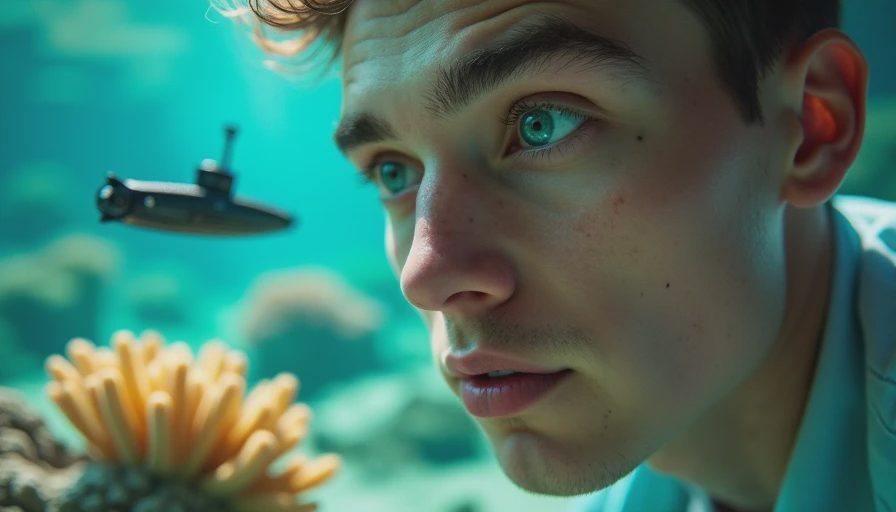
What early access should prove
Early access can be a good fit for a game this ambitious, but only if the foundation is already compelling. I do not need every biome, vehicle, or story beat on day one. I do need the basic loop to work: explore, gather, build, discover, and make a slightly reckless decision because the next resource node is just beyond the safe light.
For Subnautica 2, I would be watching three things closely. First, does the world feel mysterious before players have filled it with wiki pages? Second, does base building support practical survival and personal expression instead of becoming decorative busywork? Third, does co-op add meaningful choices rather than simply placing extra bodies in the same solo map?
I would also like the early access communication to be clear about missing content and major changes. Survival players can be patient when they understand the shape of the journey. They become much less patient when a roadmap feels like fog, especially after investing dozens of hours in a save that may not survive a major update.
Should you be excited yet?
Yes, with the sensible amount of caution required whenever a beloved game gets a sequel. Subnautica 2 has the right ingredients: a strong developer, a setting with enormous creative potential, modern technology, and co-op that could generate unforgettable disasters. It also has a difficult assignment. The original was not special because it had crafting menus. It was special because it made the ocean feel alive, indifferent, and personally offended by my curiosity.
I am not expecting a replacement for the first game, and I do not want one. I want a new ecosystem with new rules, new reasons to descend, and a story that trusts silence as much as dialogue. If the sequel can make me pause at the edge of a dark trench, check my oxygen twice, and wonder whether I should really keep going, it will already be doing something right.
For now, Subnautica 2 belongs on the watchlist rather than the automatic preorder list. Track development, wait for substantial gameplay, and pay attention to how the early access build handles performance, saves, and multiplayer stability. The potential is enormous, but potential is not the finished dive.
Still, I keep thinking about that dark water. That usually means a game has my attention. Subnautica 2 has not earned my evening yet, but it has earned a very specific place in my brain: the part that hears a distant roar and starts planning an underwater base with emergency exits.





No notes yet — write the first.