The Seven Deadly Sins: Origin immediately caught my attention because it looks less like a licensed character parade and more like a proper adventure game. That distinction matters. I like anime adaptations, but I do not want another title where famous characters stand around a menu while I chase upgrade materials for six months. I want a world with roads worth wandering, strange corners worth investigating, and a party that feels like more than a collection of valuable portraits.
Netmarble is positioning this as an open-world action RPG connected to The Seven Deadly Sins universe. The setup centers on Britannia, familiar characters, a new story, and real-time combat rather than a purely menu-driven format. There are also cross-platform ambitions, with PC and console play part of the conversation around the project. That is a promising foundation, although the final feel will depend on pacing, exploration, monetization, and how much freedom the game gives players between dramatic anime scenes.
I thought I knew what this game was after the first few trailers. I did not. The more I look at The Seven Deadly Sins: Origin, the more it seems caught between a traditional single-player adventure and a live-service character collector. That tension could make it interesting. It could also become the exact thing that makes me quietly uninstall it after one very shiny weekend.
What makes the world worth watching
The strongest idea here is the open-world version of Britannia. The Seven Deadly Sins already has a setting built for travel: kingdoms, forests, ruins, monsters, magic, taverns, and wildly different personalities sharing the same road. Turning that into a playable landscape makes obvious sense. The series has always had a sense of motion, and an adventure game can use that better than a sequence of battles on static screens.
I am hoping exploration has texture. Let me climb toward a suspicious tower because I saw smoke behind a ridge. Let me find a small quest that begins as a joke and ends with a character quietly confronting something painful. Give me treasure that is occasionally strange instead of another chest containing the same currency and a polite amount of experience.
The danger is open-world bloat. A map can look enormous in a trailer and still feel like a shopping list once the player arrives. If every field is packed with glowing markers, repeated enemy camps, and resource nodes placed like spilled cereal, the magic disappears quickly. The Seven Deadly Sins: Origin needs places that breathe, not just a large area between objectives.
Combat needs more than bright effects
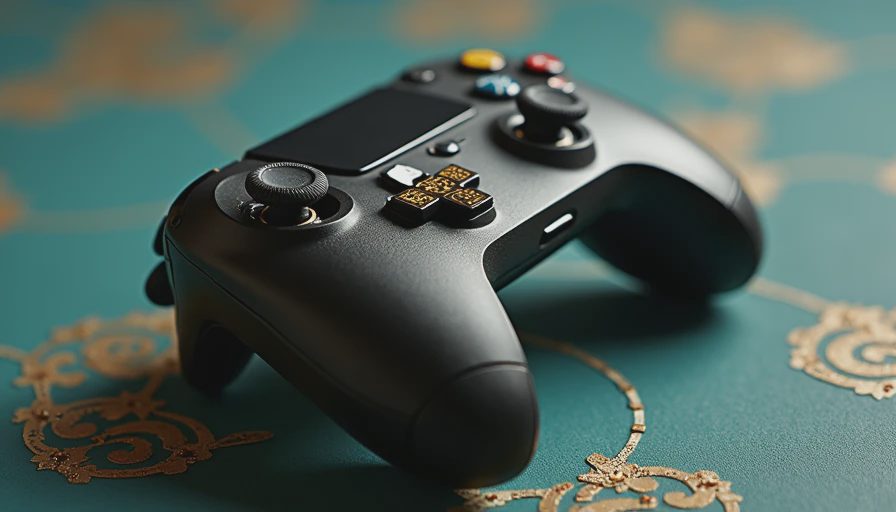
The combat footage suggests a fast action system with character switching, abilities, dodges, and flashy team attacks. That is the correct direction for this license. Meliodas, Diane, Ban, King, and the rest of the cast should not feel interchangeable. Their personalities need to show up in the way they move, attack, recover, and solve problems.
Good action combat is not just a fireworks display. It is readable timing. I want to understand why a hit connected, why an enemy staggered, and why switching to another party member was the smart choice rather than a required animation. A strong system could let one character control space while another exploits a weakness, creating small tactical decisions inside the spectacle.
The Seven Deadly Sins: Origin also has an opportunity to make traversal part of combat. A character who can launch upward, break an obstacle, manipulate the environment, or reach an enemy on a distant platform feels more memorable than a fighter with five nearly identical skill buttons. The best anime games make you feel like you are borrowing the cast’s impossible abilities. The worst ones make every character feel like a different skin for the same controller layout.
The story question I cannot ignore
A new protagonist or parallel storyline can be a smart move. It gives longtime fans familiar faces while allowing newcomers to learn the setting without reading a wiki at two in the morning. That balance is difficult, but it is worth attempting. The world should feel connected to the original series without requiring encyclopedic knowledge of every relationship and power level.
I am particularly interested in whether the story can slow down. Licensed RPGs often rush from battle to battle because they are afraid the player will get bored. That is backwards. The quiet scenes are where a party becomes a party. Let characters argue over food, take a wrong turn, misunderstand a local custom, or sit with the consequences of a quest. A ridiculous joke followed by an unexpectedly sincere conversation is very much the series’ lane.
My concern is tonal whiplash. The Seven Deadly Sins can be goofy, romantic, dramatic, and enormous in the space of a few minutes. That can work when the writing has confidence. It feels exhausting when the game treats every moment as equally loud. A large adventure needs pauses, or the emotional peaks stop feeling like peaks.

The free-to-play problem is the real boss fight
This is where my enthusiasm gets cautious. The Seven Deadly Sins: Origin appears connected to a mobile-friendly ecosystem, and that immediately raises questions about monetization. A character-focused action RPG can be excellent while still using optional purchases, but the design has to respect the player’s time. If exploration exists mainly to funnel players toward daily tasks, energy limits, duplicate characters, and rotating banners, the open world becomes expensive wallpaper.
The best version would make the main adventure satisfying with a normal-sized party. New characters could add different play styles without making existing characters obsolete. Cosmetic outfits, optional expansions, and generous progression would be easier to live with than a system that turns every exciting character reveal into a financial decision.
I also want clear separation between story difficulty and collection pressure. If a player needs a specific rare unit to defeat a late-game boss, that is not meaningful strategy. It is a checkout screen wearing armor. The Seven Deadly Sins: Origin has to earn trust early, because players notice when a beautiful world is designed around nudging them back to the store.
Who should keep this on the radar
Fans of the anime have an obvious reason to watch, but they are not the only audience. If you enjoy flashy party-based action RPGs, colorful exploration, and stories that bounce between comedy and melodrama, this could be worth tracking. Players who liked the roaming structure of Genshin Impact but want a more direct combat feel may also find the premise appealing.
I would be more careful if you mainly want a focused, premium single-player RPG. The presence of a large cast and online-era progression systems could pull the experience in a very different direction. Someone looking for the emotional concentration of a compact indie adventure may find this too busy, even if the environments look gorgeous.
My advice is simple: watch real gameplay once it shows longer uninterrupted sessions. Trailers can sell a mood. They cannot show whether quests repeat, whether menus interrupt the adventure, or whether combat remains satisfying after ten hours. Look for footage of ordinary traversal, inventory screens, side quests, and a boss fight that is not edited into twelve perfect seconds.
My early verdict on The Seven Deadly Sins: Origin
The Seven Deadly Sins: Origin has the right ingredients for a game I would happily lose a rainy weekend to: a lively fantasy setting, a recognizable cast, real-time combat, and enough room for small stories between major battles. It also has the familiar risks of a modern licensed RPG, especially monetization and a map overloaded with chores.
I am not ready to call it a must-play. That would be pretending the important questions have already been answered. But I am absolutely keeping it on my radar. If Netmarble builds an open world with personality, gives each character a distinct role, and treats free-to-play systems as supporting pieces rather than the main attraction, this could surprise people who expected another disposable anime tie-in.
For now, I am waiting for the unglamorous details. Show me the menus. Show me the side quests. Show me what happens after the trailer music stops. If the game still looks inviting then, The Seven Deadly Sins: Origin might be the kind of strange, overstuffed adventure that earns a permanent spot on my hard drive. This one could earn my evening.




No notes yet — write the first.