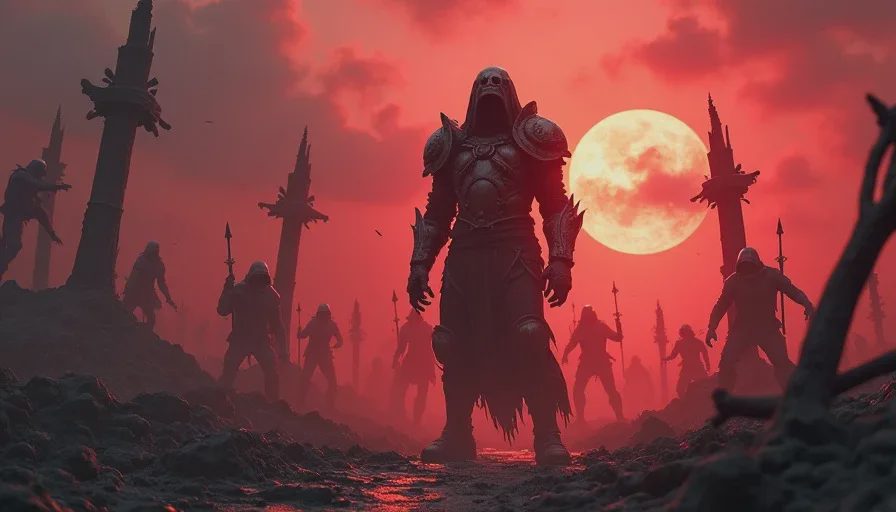
Mortal Shell II dropped on August 20 with the kind of early Steam reception that usually makes people rush to buy. Very Positive. Thousands of reviews clustering around 80 percent. Critics mostly landed in the mid-to-high 80s, calling it a clear upgrade over the 2020 original and a fresh shake-up of the Souls-like formula. The pitch is clean: no stamina meter, eight possessable Shells instead of four, a compact open world full of dungeons, and combat that wants you to stay aggressive.
I have been circling it for days and still have not committed. The numbers are good. The design decisions are interesting. I am still not convinced it is the one that will own my evenings right now.
What actually changed
The first Mortal Shell was a small, atmospheric, sometimes janky experiment in possession and harden mechanics. It had identity but also friction that never fully resolved. The sequel is bigger in almost every direction that matters.
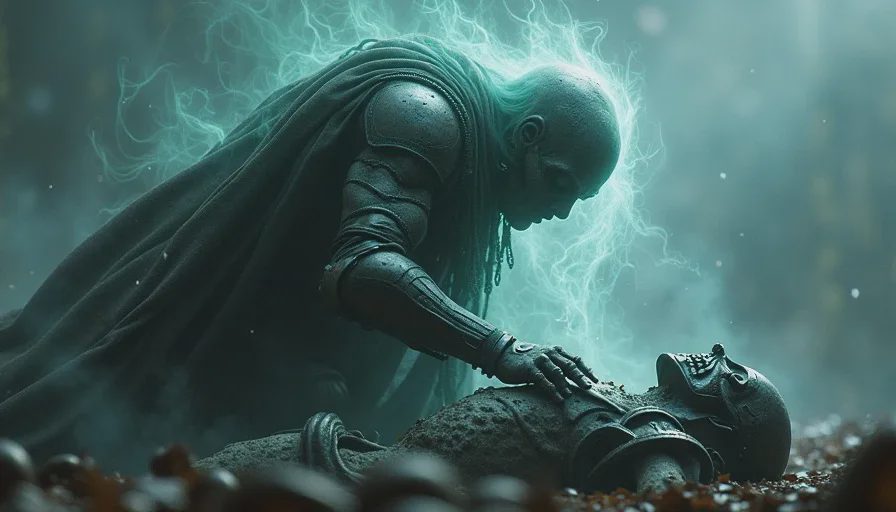
You still play as the Harbinger, a relatively weak entity that inhabits the bodies of fallen warriors. There are eight Shells scattered through the world this time. Each comes with distinct abilities, underlying stats, and a memory system you unlock by spending Glimpse. Finding a new Shell and stepping into it genuinely changes how you approach fights. The world is described as compact and interconnected rather than sprawling for its own sake—Cold Symmetry has said they wanted to respect player time. Dozens of dungeons sit between the main landmarks. Weapons and sidearms have deeper upgrade paths. Tarstones and other systems let you further tune builds.
The biggest mechanical swing is the complete removal of a stamina bar. You can attack, dodge, and pressure without the familiar pause-and-recover rhythm. Combat leans into posture breaking and aggressive chaining. Parry windows are relatively generous. The result is faster and more continuous than most games in the genre. Reviews repeatedly call the combat weighty, kinetic, and satisfying when it clicks.
Why the praise makes sense on paper
If you bounced off the original’s limitations, this version addresses a lot of them. More Shells means more legitimate playstyles. The open-but-contained world reduces the aimless running that plagued some earlier Souls-likes. The no-stamina approach creates a different kind of tension: instead of managing a resource, you manage risk and spacing in real time. The heavy, grotesque aesthetic and the “their flesh is your weapon” framing give it a distinct metal-tinged identity that stands apart from the cleaner fantasy of bigger budget entries.
For players who want a Souls-like that feels less like homework and more like controlled aggression, the design lands. The Steam score reflects that. People who wanted the first game to be more are getting the version they hoped for.
Where my hesitation lives
I like systems that force me to think. I also get tired of the genre’s current arms race of “here is one more way we tweaked the formula.” Removing stamina is a bold and coherent choice. It is also one that removes a layer of decision-making I actually enjoy. The constant pressure can feel exciting. It can also flatten the rhythm into a slightly samey forward lean once the novelty settles.
The density of systems—Shells, weapons, sidearms, Tarstones, currencies that still feel somewhat scarce for full experimentation—creates build variety on paper. In practice I worry it will lead to the familiar mid-game feeling of not having enough resources to fully explore more than one or two paths without grinding. Several reviews flag exactly that tension.
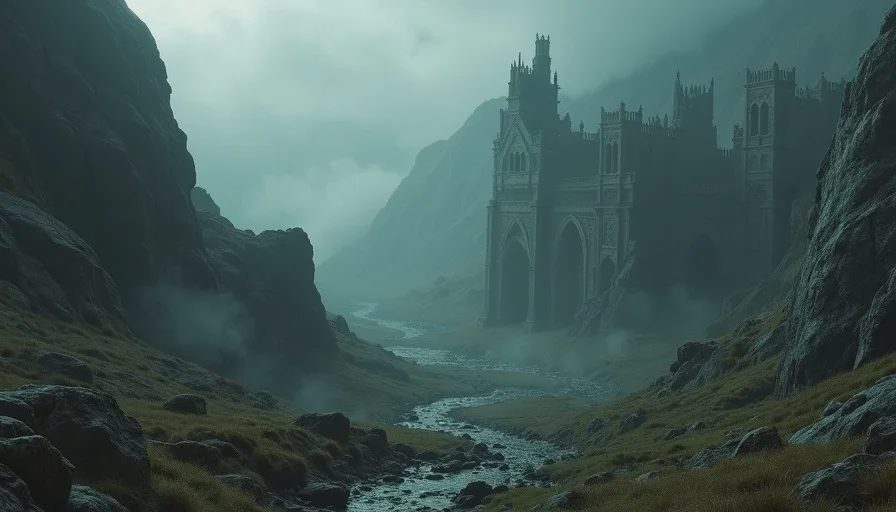
The world being “compact yet full of dungeons” is another double-edged claim. Compact is good. Full of content can tip into the sense that every path is asking for attention. I have limited evenings. I am protective of them. A game that respects time in theory still has to prove it in the first five or six hours before I trust it with more.
There is also simple genre fatigue. 2026 has already had its share of dark fantasy action RPGs promising fresh takes. Some delivered. Some felt like competent variations on a theme I already know well. Mortal Shell II looks like one of the stronger variations. That is not the same as feeling necessary.
The honest middle ground
I am not calling it bad. The reception is earned. Cold Symmetry clearly listened to feedback on the first game and swung harder in the directions that mattered. The combat has a real point of view. The Shell system has more room to breathe. The presentation has personality.
I am also not ready to treat the Very Positive score as a personal recommendation. Scores tell you a game works for a large group of people who already like this kind of challenge and atmosphere. They do not automatically tell you it will work for the specific way you like to spend late nights.
I will probably try it when the price drops or when the post-launch patches settle any remaining friction. Until then I am content to watch from the sidelines while the people who love aggressive, stamina-free Souls-likes have their moment. That is not cynicism. It is just the same filter I use on everything else: does this one feel like it will still matter after the initial rush?
Right now the answer is “maybe.” That is not enough for me to clear the schedule.
— Alex





No notes yet — write the first.