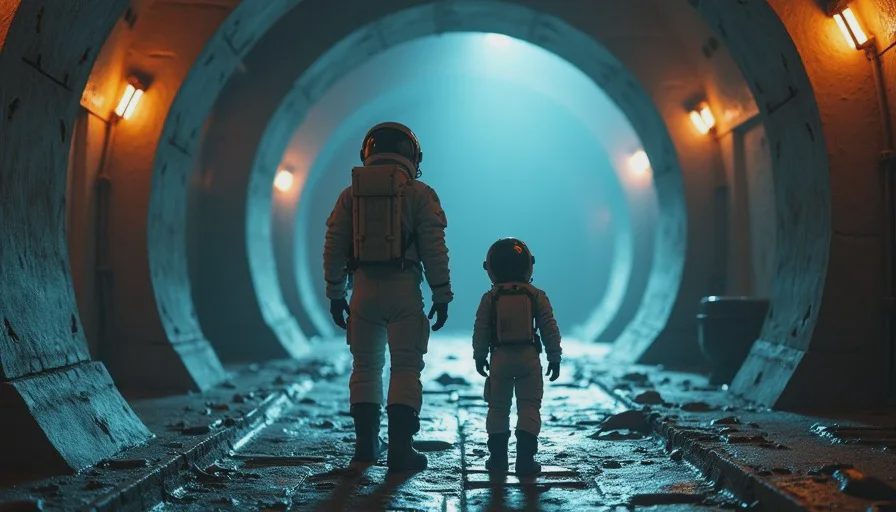
Capcom spent years showing Pragmata in carefully measured doses. A new IP set on a silent lunar research station, a human and an android trying to reach Earth, combat that mixed shooting with live hacking. On paper it looked like a risk: no established franchise, no zombies, no demons, just a cold facility and two characters who need each other to keep moving.
It released in April 2026. I played it late, after the initial wave of reviews had settled. I expected a competent mid-budget experiment. What I got was one of the more affecting single-player experiences of the year.
The setup and the partnership
You play as Hugh Williams, the last surviving member of an investigation team sent to a corporate lunar facility after it goes dark. The disaster that kills the rest of the team leaves him with Diana, a small android designed around a new material called Lunafilament. Diana can interface with the station’s systems and with the hostile machines that now patrol it. Hugh can shoot, move with thrusters in low gravity, and carry the physical risk. Neither can progress alone for long.
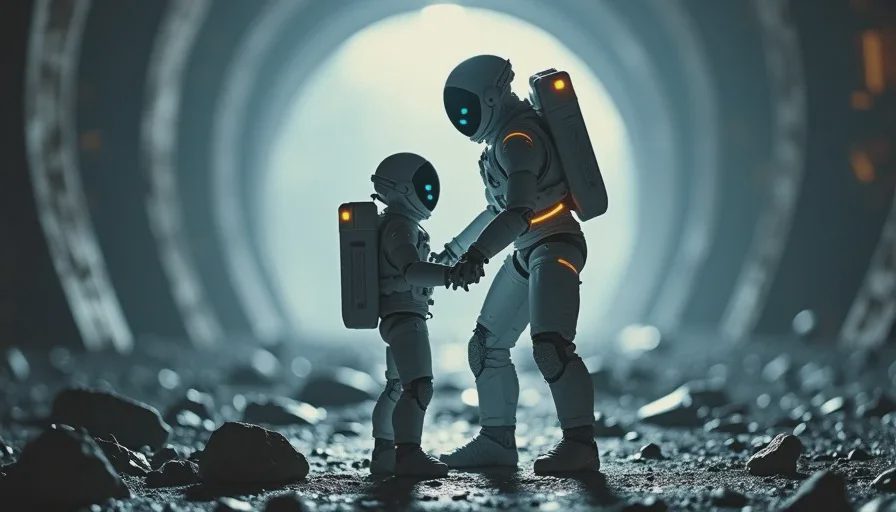
The game is built around that dependency. Diana hacks to open armor plates, disable defenses, or rewrite environmental hazards. Hugh covers her, creates openings, and keeps them both alive while the hack completes. The combat loop is the clearest expression of the relationship: one character creates vulnerability, the other exploits it, and both are exposed while it happens.
It sounds mechanical when described. In practice it becomes intimate. You start timing your movements around Diana’s vulnerability windows. You learn the sound of a successful breach. You feel the difference between a clean dual execution and a messy one that leaves both of you scrambling. The systems teach care without ever saying the word.
Combat that respects attention
The shooting is crisp in the way Capcom’s better action games usually are. Guns have weight and distinct roles. Movement in the low-gravity sections has a controlled float that never becomes floaty for its own sake. The hacking layer is the real addition. It is not a pause menu or a separate puzzle screen. It happens in the same space and time as the gunfire. You are still dodging, still managing ammo and positioning, while Diana works.
Customization sits on top of that foundation. Loadouts, Diana’s capabilities, and environmental tools can be tuned before major encounters. The game gives you enough options to approach the same room in different ways without turning the whole experience into a build-crafting spreadsheet. Strategy exists, but it stays in service of the moment-to-moment partnership rather than replacing it.
Boss encounters escalate the same logic. Larger machines require longer, more exposed hacks or multi-stage breaches. The tension comes from protecting the window Diana needs rather than from pure damage races. When a fight finally resolves cleanly, it feels like a shared success.
The quieter current underneath
Pragmata could have been only its combat loop and still been a solid recommendation. What lifts it is the space it gives Hugh and Diana to simply exist together between the set pieces.
The station is large and largely empty of other human life. Conversations happen while moving through corridors, while waiting for elevators, while catching breath after a hard room. Diana is not a quip machine. She is curious, limited, and slowly forming something like preference and concern. Hugh starts as a professional doing a job and gradually becomes someone who has a reason to keep both of them intact beyond mission parameters.
The writing does not force big emotional speeches. It lets small observations accumulate. A comment about Earth. A practical question about why a system was designed a certain way. A moment of silence after something goes wrong. By the later chapters the two characters feel like they have history even though the player has only known them for a dozen hours. That is harder to pull off than most games admit.
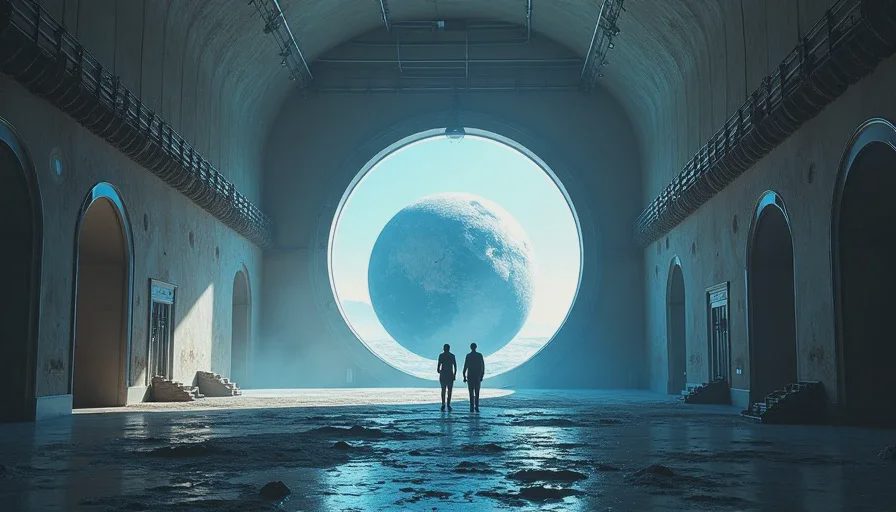
The lunar setting helps. The cold, the isolation, the corporate architecture that was never meant to be lived in after the disaster — all of it keeps the scale human. You are not saving the solar system. You are trying to get two specific beings off a rock and back to a planet that may or may not still want them.
What it leaves behind
I finished Pragmata and immediately wanted to talk about the relationship more than the guns. That is not the usual aftermath of a Capcom action game. The studio is extremely good at making combat feel good. Here they used that skill to serve a smaller, more fragile story about dependence and the beginning of care in a place that has none left.
It is not a perfect game. Some of the middle chapters lean on similar room layouts. A few of the optional challenges feel like they exist more for the achievement list than for the experience. None of that erased the central achievement: a new IP that trusted its two characters and built systems that made their partnership feel necessary rather than decorative.
In a year full of sequels and large, noisy releases, Pragmata was a reminder that a focused idea executed with care can still cut through. I did not expect to care this much about an astronaut and a small android trying to leave the moon. I did. That is the highest recommendation I have for it.
If you have been waiting for a single-player game that treats its combat and its characters as the same design problem, this is one of the clearer successes of 2026.
— Alex





No notes yet — write the first.