God of War Ragnarök is the kind of game that can make a quiet walk through a snowy forest feel more important than most blockbuster finales. It is huge, expensive-looking, and packed with the sort of dramatic camera work Sony loves, but the reason it works is much smaller: a father trying to understand his son before the world ends. After spending serious time with the PC version, I came away impressed by how often the spectacle gets out of the way and lets the characters breathe.
If you played the 2018 God of War, this is a direct continuation rather than a clean entry point. Kratos and Atreus are already carrying years of history, grief, and unfinished conversations. You can follow the broad plot without remembering every detail, but the emotional punches land harder if you know what came before. A quick story recap is worth your time before starting.
A story about family, fate, and terrible timing
The story begins with the threat of Ragnarök hanging over every conversation. Atreus wants answers about his identity and the prophecy surrounding him, while Kratos is determined to keep him alive by avoiding the mistakes of the past. Neither approach is entirely wrong, which is exactly why their arguments feel believable. They are not fighting because the script needs conflict; they are fighting because both characters are scared and have different ideas about what protection means.
That emotional foundation gives the larger mythology some weight. Norse gods are not just boss-shaped obstacles waiting in a hallway. Thor, Odin, Freya, and the other major figures have distinct personalities, grudges, and private agendas. Some are more interesting than others, and a few scenes push the melodrama a little too hard, but the cast is strong enough to carry the quieter stretches.
The supporting characters are where God of War Ragnarök often surprises you. Mimir remains an excellent traveling companion, Brok and Sindri bring warmth and friction to the workshop scenes, and even short conversations during exploration can reveal how damaged this group really is. I found myself slowing down near the end, not because I wanted the combat to stop, but because I was not ready to leave these people behind.
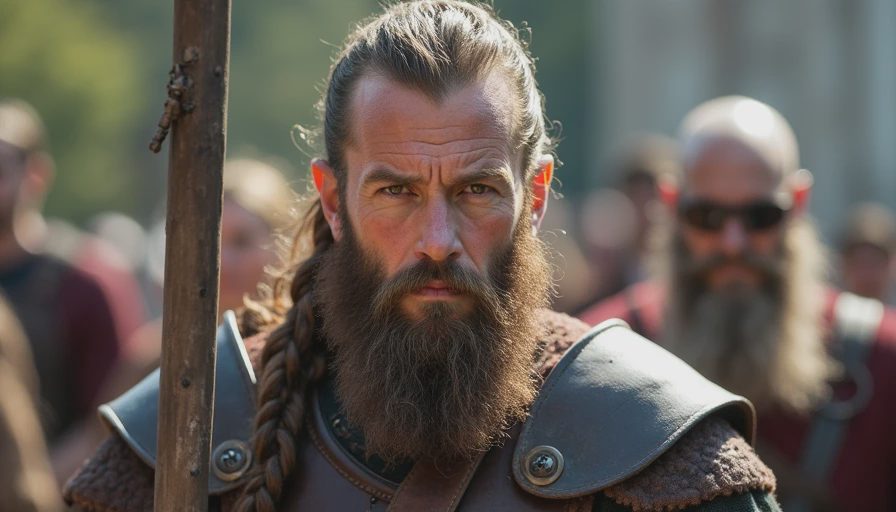
Combat that feels better the longer you play
The basic combat loop is familiar: heavy and light attacks, shield parries, ranged weapon throws, runic abilities, and a growing collection of gear. What makes God of War Ragnarök satisfying is how many tools become useful at once. The Leviathan Axe feels deliberate and weighty, the Blades of Chaos are faster and more aggressive, and the Draupnir Spear adds a flexible option that rewards accurate throws and clever positioning.
Enemy variety is much better than in the previous game, although the game occasionally leans on repeated encounters during optional content. Most fights ask you to read attack colors, manage distance, and decide whether to spend a powerful ability now or save it for a tougher enemy. On higher difficulties, button mashing gets punished quickly. A basic draugr can still ruin your evening if you ignore the warning signs.
The shield system is especially good. Different shields encourage different habits, from precise parries to safer blocks and counterattacks. That small design choice gives defensive play more personality than simply holding one button. Gear upgrades, skill trees, enchantments, and weapon attachments add plenty of customization without turning the game into spreadsheet labor.
Exploration is packed with worthwhile detours
The main path is cinematic, but the side content is where the world starts feeling lived in. Each realm has environmental puzzles, hidden chests, favors, optional bosses, and small conversations that make the map feel less like a checklist. Some side quests are simple errands, yet others reveal painful history or give a minor character a memorable final scene.
God of War Ragnarök also understands the pleasure of opening a locked route and returning later. You will spot blocked paths, strange markings, and suspiciously empty platforms long before you have the right ability. Revisiting those places creates a satisfying rhythm: explore, notice something impossible, progress the story, then come back and see what was waiting.
The visual design helps every realm stand apart. Svartalfheim is full of water, machinery, and cramped industrial spaces. Vanaheim opens into dense vegetation and shifting routes. The landscapes are beautiful, but they are not just postcards. They shape combat arenas, puzzles, and the mood of each chapter.
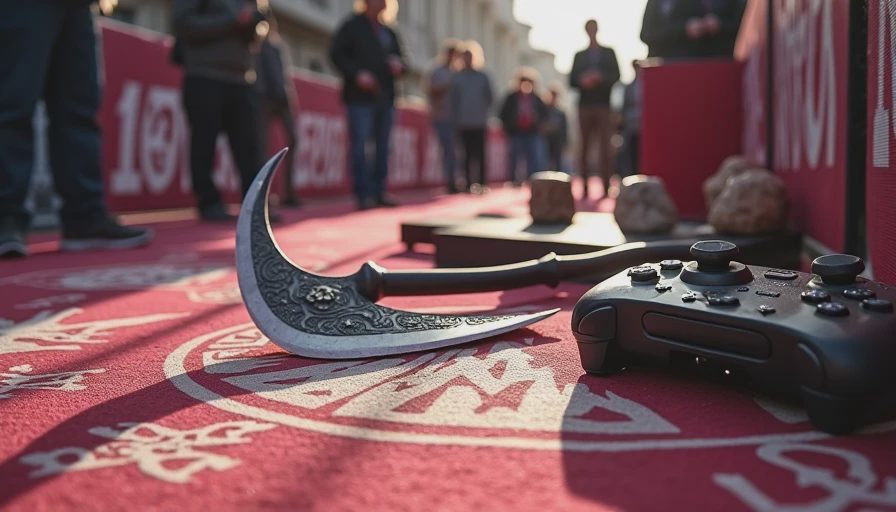
How the PC version holds up
On PC, God of War Ragnarök benefits from the usual advantages: adjustable resolution, graphics presets, ultrawide support, keyboard and mouse controls, and the freedom to tune performance around your hardware. A strong system can make the wide environments look exceptional, especially when you are moving through snow, mist, or fire-lit ruins.
The game feels particularly good on a controller, where the adaptive feedback of a compatible DualSense can make weapon impacts and environmental movement more tactile. Keyboard and mouse works, but the combat is clearly designed around analog movement and quick camera control. I would use a controller unless you strongly prefer mouse aiming.
As with any demanding modern PC release, performance depends on your setup and settings. Start with the recommended preset, monitor frame pacing rather than chasing a single high number, and lower reflections or shadows first if you need extra headroom. An SSD is also a sensible choice for a large, frequently streaming adventure. The important thing is that the game scales well enough to give both high-end and midrange players room to adjust.
Is God of War Ragnarök worth buying?
For a Steam player who enjoys story-driven action games, the answer is easy: yes, especially if you liked the 2018 reboot. The campaign is substantial, the combat has real depth, and the side content is better than the usual collection of disposable map icons. It is not flawless. The pacing can wobble, some exposition arrives in thick layers, and a few encounters feel recycled. Still, those problems are small compared with the sense of place and character work.
I would recommend playing the first game before this one, even if that means watching a detailed recap instead of doing a full replay. Start on a moderate difficulty, explore when the mood takes you, and do not rush every favor just to clear the map. The best moments often happen between major missions, when the group is walking, arguing, telling stories, or trying to repair something that cannot be fixed with an axe.
God of War Ragnarök is a spectacular action game, but spectacle is not its best feature. Its real strength is the uncomfortable, tender space between people who love each other and keep making communication harder than it needs to be. I thought I knew what this game was. I did not. This one earned my evening.



No notes yet — write the first.