Monster Hunter is the kind of game that makes you say, “I’ll do one quick hunt,” and then look up to discover the rain has stopped, started again, and your coffee has become a cold archaeological artifact. I came for the giant creatures and stayed for the strange little routines: sharpening a weapon beside a cliff, cooking a meal with a cat, and learning a monster’s behavior well enough to feel clever instead of merely lucky. It is demanding, occasionally fussy, and far more generous than its reputation suggests.
What Makes Monster Hunter Click
At first, the structure sounds almost comically simple. You accept a quest, track a monster, hit it until it becomes upset about the arrangement, carve materials from the remains, and use those materials to make stronger equipment. Then you repeat the process against something larger, meaner, or equipped with an attack that turns your carefully planned ambush into a public embarrassment.
The magic is in the feedback loop. Every hunt teaches you something, even when it ends with a cart ride back to camp. You learn that a particular roar leaves an opening. You notice that your favorite attack is too slow when a creature is enraged. You start bringing flash pods, traps, healing items, or a different armor skill because the previous attempt exposed a hole in your plan. Monster Hunter turns failure into useful information instead of a dead end.
The weapons are also dramatically different rather than being twelve versions of “sword, but slightly faster.” The Great Sword rewards patience and positioning. Dual Blades turn the player into a spinning tax audit. The Hunting Horn lets you support a team while smashing a monster with what appears to be an extremely aggressive musical instrument. I usually recommend trying three weapons before deciding the game is not for you. The right weapon changes the entire rhythm of a hunt.

Which Monster Hunter Game Should You Start With?
Monster Hunter: World remains the easiest entry point for many PC players because it explains the ecosystem more clearly than older games and gives its environments a strong sense of place. The Ancient Forest feels tangled and inconvenient in a way that makes every shortcut feel earned. Monster Hunter: World also has a satisfying equipment path, excellent creature animation, and enough visual spectacle to make the first major hunts feel like actual events.
Monster Hunter Rise is the quicker, more acrobatic option. The Wirebug lets you zip around the map, recover from mistakes, and reach a monster with the energy of someone who has ignored every sensible travel option. Rise is a better fit if you want faster missions, more mobility, and a stronger emphasis on aggressive combat. Its village atmosphere has a different flavor, too, with a bright festival feeling rather than World’s grand expedition tone.
Monster Hunter: Wilds is the newer conversation, but I would still point a first-time player toward whichever available version fits their hardware and budget. The series is at its best when you can settle into it without treating every system like homework. A sale on World or Rise is often a smarter first purchase than chasing the newest release at full price.
The Part That Feels Bad Before It Feels Great
I am not going to pretend the opening hours are perfectly welcoming. Menus can feel like a drawer full of cables. The game throws crafting ingredients, armor skills, food effects, gathering tools, and unfamiliar weapon mechanics at you while a large reptile waits nearby with clear plans for your evening. Monster Hunter has improved its tutorials, but it still expects curiosity and a tolerance for reading tooltips.
The solution is not to understand everything immediately. Pick one weapon, use the training area, and focus on three basics: staying alive, keeping your weapon sharp, and watching the target instead of staring at your own attack animation. You do not need a perfect build for early content. You need healing items, enough stamina to move, and the willingness to disengage when a monster starts behaving like a problem.
It also helps to treat the first ten hours as orientation rather than a performance review. Getting hit is normal. Missing a tail cut is normal. Forgetting to eat before a quest and arriving with the health bar of a decorative houseplant is extremely normal. The game becomes smoother once its rituals stop feeling like chores and start feeling like preparation.
Why Co-Op Makes the Whole Thing Better
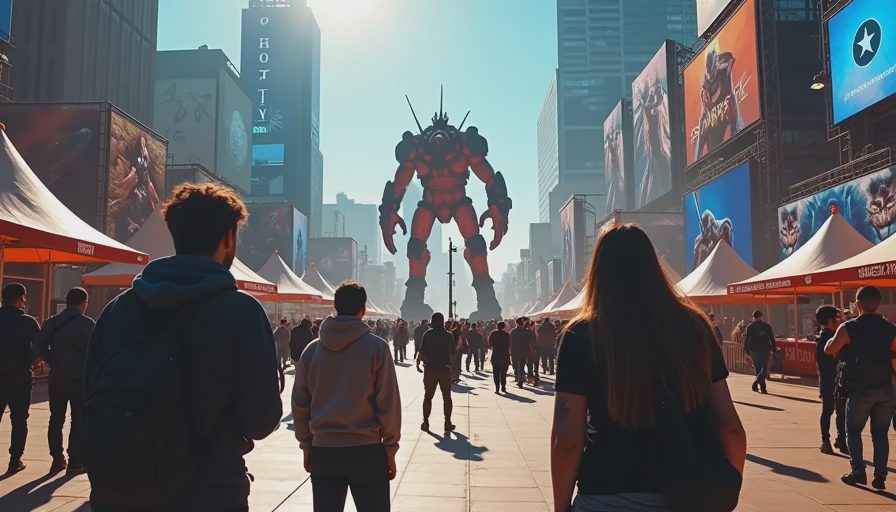
Monster Hunter is excellent alone, but co-op gives its systems room to become wonderfully chaotic. One player mounts a monster while another lays down a trap. Someone gets launched across the arena by an enthusiastic hammer swing. A Palico wanders into the exact place where everyone is trying to see an incoming attack. It is messy in the most human way, and the best hunts often produce stories rather than clean victories.
The team roles are flexible. A player using a Hunting Horn can provide buffs, while a Bow user attacks from range and a Lance user holds a monster’s attention. Nobody has to lock into a strict healer or tank job. Good positioning and shared awareness matter more than a rigid class chart. If a teammate is carted, the mood usually shifts from smug confidence to determined rescue mission within seconds.
There is also a quiet social pleasure in comparing gear after a hunt. Someone shows off a new helmet. Someone else explains why a particular armor skill changed their build. Then the group notices that the next target requires a completely different approach, and suddenly the evening has acquired a plan. That kind of low-pressure cooperation is rare in games that advertise themselves as social experiences.
Is Monster Hunter Worth Your Time?
Monster Hunter is worth it if you enjoy learning through repetition, collecting gear with a purpose, and gradually turning an intimidating creature into a readable opponent. It is less ideal if you want a story to pull you rapidly from one cinematic scene to the next, or if the idea of fighting the same enemy several times sounds exhausting. The narrative is usually functional scaffolding around the hunts, not the reason you stay.
What keeps me coming back is the physicality. A heavy weapon has commitment. A dodge has timing. A monster limps, changes territory, and reveals its desperation through animation rather than a giant floating message announcing that the final phase has begun. Monster Hunter trusts players to notice things, and that trust feels increasingly precious.
Buy it on sale if you are uncertain, invite one patient friend, and give the weapon system a real chance before walking away. Let the first awkward hunts be awkward. Somewhere around the moment you recognize a roar, roll through an attack, and land a hit you absolutely did not expect to survive, the series usually reveals what it has been trying to teach you. This one earned my evening.


No notes yet — write the first.