PUBG is the kind of game that can turn a quiet Tuesday night into a twenty-minute argument with your own heartbeat. You land, find a battered rifle, hear a door close somewhere nearby, and suddenly every decision feels expensive. I thought I knew what this game was. I did not. Under the parachutes, loot routes, and familiar shrinking circle, PUBG remains one of the few shooters capable of making a simple walk across a field feel like a terrible life choice.
Why PUBG still feels different
A lot of battle royale games are built around speed. You drop, stack armor, collect a colorful collection of abilities, and start chasing the next fight. PUBG is less interested in making you feel powerful. It wants you nervous, under-equipped, and painfully aware that the player behind the next window might have been listening for the last thirty seconds.
That slower pace is the magic. Gunshots tell you something, but rarely everything. A distant crack could mean an easy third-party opportunity or a squad waiting for you to make one heroic, stupid push. Vehicles are useful but loud. Buildings offer cover but create close-quarters traps. Even a helmet feels like a small promise rather than protection.
The weapons also have a grounded weight that many newer shooters avoid. Recoil takes practice, reloads have consequences, and attachment choices can change how confident you feel with a rifle. The result is not always comfortable, but it is memorable. When a plan works in PUBG, it feels earned rather than awarded.
The best matches create their own stories
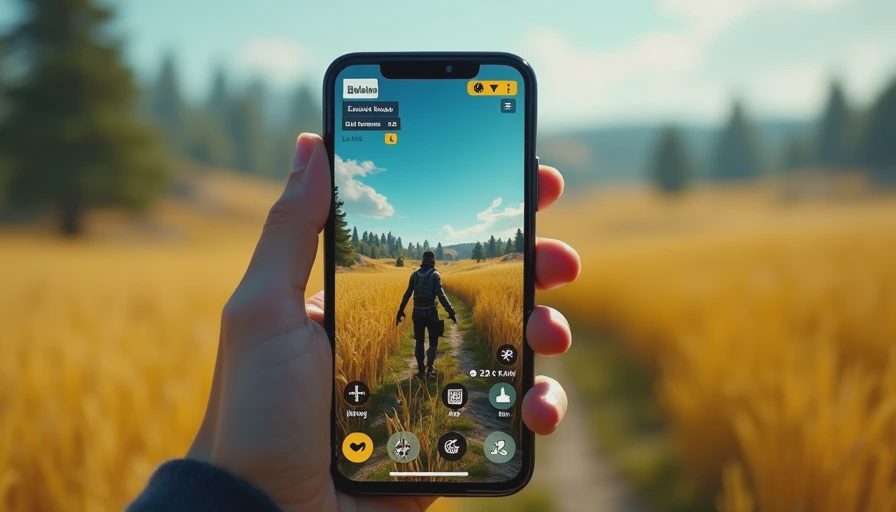
The reason I keep returning to PUBG is not the promise of a perfect victory. It is the strange little narrative each match builds on the way there. One game starts with a peaceful loot run through a warehouse and ends with a desperate crawl through grass while a teammate distracts a full squad. Another becomes a road trip in a damaged sedan, complete with a panic stop outside a compound that absolutely contains enemies.
Those moments are difficult to manufacture. The game gives you a map, equipment, and a dangerous group of strangers, then lets bad decisions do the writing. A squad can spend ten minutes planning a careful rotation before one player accidentally opens fire on a distant silhouette. Somehow, that mistake often becomes the part everyone remembers.
Solo play has a harsher mood. Every sound belongs to a possible threat, and there is nobody to blame when you choose the wrong doorway. Duos are more intimate, while squads produce the familiar mixture of teamwork, shouting, and one friend insisting that the terrible plan is actually brilliant. PUBG is at its best when everyone communicates without pretending to be a professional esports team.
Learning the maps without turning play into homework
Map knowledge matters, but PUBG does not require you to memorize every loot table before having fun. Start by choosing one familiar landing area and learning its nearby roads, ridgelines, and escape routes. Pay attention to where you can cross safely after the first circle appears. A strong building is useful; a strong building with three ways out is much better.
Erangel remains an excellent starting point because its towns, fields, bridges, and hills create readable problems. If you prefer tighter encounters, smaller maps can push you into action faster. The important thing is finding a rhythm that matches your patience. Some nights are for looting carefully and taking one smart fight. Other nights are for driving directly toward trouble because the alternative is organizing another inventory screen.
Do not treat every match as a test of mechanical skill. Positioning, timing, and restraint win plenty of fights before the first bullet is fired. If another team has high ground and you are exposed, surviving is more valuable than proving a point. This is where PUBG can feel almost like a stealth game wearing a shooter costume.
What makes the game frustrating
PUBG is not frictionless, and pretending otherwise would make this sound like a launch trailer. Bad luck can leave you searching three buildings for a usable weapon. A match can end because an opponent saw one pixel of your shoulder through a window. Sometimes you make the correct rotation, choose solid cover, and still get flattened by someone holding an angle you never considered.
The learning curve can be rough for new players, especially when experienced opponents punish hesitation. Matchmaking and platform settings affect the experience, and updates can change weapon balance or map availability. No single evening tells you whether the game is right for you. Give it several sessions, then decide whether the tension feels exciting or simply exhausting.
The interface and inventory management are functional rather than elegant. You will spend time comparing ammunition, swapping attachments, and wondering why the item you need is always in the other room. That friction occasionally creates drama, but it can also make a tired player want to throw the keyboard into the Willamette River.
A practical way to start playing PUBG
Use headphones if you can. Sound is central, and footsteps often provide more information than the minimap. Begin with a simple loadout: one rifle, one close-range option, enough healing supplies, and ammunition you can actually carry. Avoid collecting every attachment just because it exists. A clean inventory is easier to manage when someone starts shooting.
For your first few matches, prioritize survival decisions over kill counts. Land near, but not directly inside, the busiest areas. Loot quickly, move before the circle forces you to, and avoid crossing open ground without a destination. When you lose, identify one concrete mistake: an exposed rotation, an unnecessary reload, a noisy vehicle stop, or a fight taken without cover.
If you have friends, use voice chat and assign simple jobs. One player watches the rear, another checks the route, and everyone calls enemy positions using landmarks. You do not need military vocabulary. “Two players at the blue house” is better than a frantic paragraph about a tree, a rock, and possibly a person-shaped bush.
Is PUBG worth your evening?
For players who want instant action, bright feedback, and a forgiving restart loop, PUBG can feel slow and severe. For anyone who enjoys suspense, imperfect plans, and victories that arrive with shaking hands, it remains unusually compelling. The free-to-play structure makes it easy to try without treating the purchase as a commitment, while the core match loop still has enough depth to support hundreds of hours.
I like that PUBG leaves room for quiet. The best memory may be a win, but it might also be a tense drive through rain, a teammate’s ridiculous rescue attempt, or the moment a squad stops talking because footsteps are approaching. Those pauses give the firefights weight. They make success feel personal and failure feel like a story rather than a menu result.
My advice is simple: install PUBG, play enough matches to get past the initial confusion, and bring one patient friend if possible. Let the game be awkward. Let it surprise you. A little broken, weirdly human, and somehow better because of it, this one earned my evening.



No notes yet — write the first.