Counter-Strike 2 is the kind of game that can turn a casual “one match before bed” into a 2 a.m. autopsy of every terrible decision you made. I know because I have opened Steam intending to play something story-heavy, then found myself buying a smoke grenade and emotionally preparing for Mirage. It is not always relaxing. It is rarely gentle. But when the pieces click, few competitive shooters feel as sharp, readable, or strangely personal.
This is still a tactical five-versus-five shooter built around economy, positioning, communication, and controlled panic. One round can be decided by a clean headshot, a perfectly timed flank, or a teammate loudly insisting that pushing through smoke is “free.” The game does not need a giant skill tree or a battle pass full of distractions to create tension. It has a handful of weapons, familiar objectives, and an enormous amount of room to improve.
Why Counter-Strike 2 Still Feels Different
The first thing you notice is how little the game gives you for free. There is no sprint button, no hero ability that rescues a bad angle, and no ultimate that turns a losing fight into fireworks. Your character moves with deliberate weight. A rifle rewards stopping before firing. A grenade is not decoration; it is a small piece of geometry you can carry in your pocket.
That restraint gives every decision more texture. Buying a stronger rifle might leave less money for the next round. Saving your weapon can matter more than chasing one final kill. Holding a quiet corner for thirty seconds can feel boring until the opposing team finally appears exactly where you expected. Then the boredom becomes anticipation, and anticipation becomes the reason you queue again.
Counter-Strike 2 also has a particular kind of honesty. If I lose a duel, the game usually gives me an uncomfortable answer: my crosshair was low, my timing was greedy, or I misunderstood the situation. That can sting, especially after a long workday, but it makes improvement feel tangible. A better smoke lineup or a calmer retake is something you can actually feel in your hands.
How Counter-Strike 2 Handles the Learning Curve
The learning curve is not a hill. It is a suspicious mountain range visible from space. New players have to understand recoil, map callouts, bomb sites, buying rules, movement, utility, and the social ritual of pretending a lost round was definitely someone else’s fault. That is a lot to absorb before the game begins making sense.
The good news is that you do not need to master everything at once. Start with a small map rotation and learn the basic names players use for major areas. Practice a few reliable grenades rather than memorizing an entire professional playbook. Spend time in deathmatch to get comfortable taking fights, then use casual or unranked matches to learn how rounds unfold.
Counter-Strike 2 becomes less intimidating when you stop treating every death as a personal review score. Watch where opponents stand. Notice when your team runs out of time. Pay attention to the money at the top of the screen. Even a bad match can teach you that your favorite rifle is not always the right purchase or that sprinting into a site without utility is basically mailing the other team a thank-you card.
The Maps Are the Real Main Characters
In Counter-Strike 2, maps are not disposable arenas designed to blur together. They are memory palaces built from angles, timings, sound cues, and old mistakes. You learn that a certain doorway is dangerous, that one staircase is louder than it looks, and that a familiar bomb site can become completely different depending on the remaining time and equipment.
Classic locations such as Dust II, Inferno, Mirage, Nuke, and Ancient each ask different questions. Dust II is direct and readable, while Inferno constantly tests utility and close-range discipline. Nuke creates layers through vertical movement. Mirage can feel simple until you realize how many fights are decided before anyone fires a shot.
Counter-Strike 2 makes this knowledge feel earned because maps slowly move from hostile spaces to familiar rooms. You begin recognizing the sound of a grenade landing behind you. You understand which positions are strong only when supported. Eventually, you stop looking at the whole map and start reading a sequence of possibilities. That is when the game gets its claws in.

Modes, Matchmaking, and the Social Weather
Competitive play is the obvious destination, but it is not the only way to enjoy Counter-Strike 2. Casual matches provide a softer landing, deathmatch is useful for warming up, and private games can be a much better evening when a group of friends wants to joke around without treating every round like a championship final.
Premier offers a more structured competitive experience, while standard matchmaking remains a familiar way to play. The quality of any match depends heavily on the people involved. Some teammates communicate clearly and recover from mistakes. Others transform a missed flashbang into a courtroom drama. Voice chat can be useful, funny, exhausting, or all three within thirty seconds.
My best advice is to protect your mood. Mute someone when the match stops being constructive. Take a break after two tilted losses. Do not let a stranger with a $3,000 inventory convince you that your evening has become a moral test. The game is already demanding enough without volunteering for extra stress.
Is Counter-Strike 2 Worth Playing Now?
Counter-Strike 2 is worth playing if you enjoy repetition with purpose. You need to be comfortable doing the same broad activities many times while slowly noticing that your decisions are cleaner. It is not the best choice if you want constant unlocks, a cinematic campaign, or a shooter that celebrates you every thirty seconds.
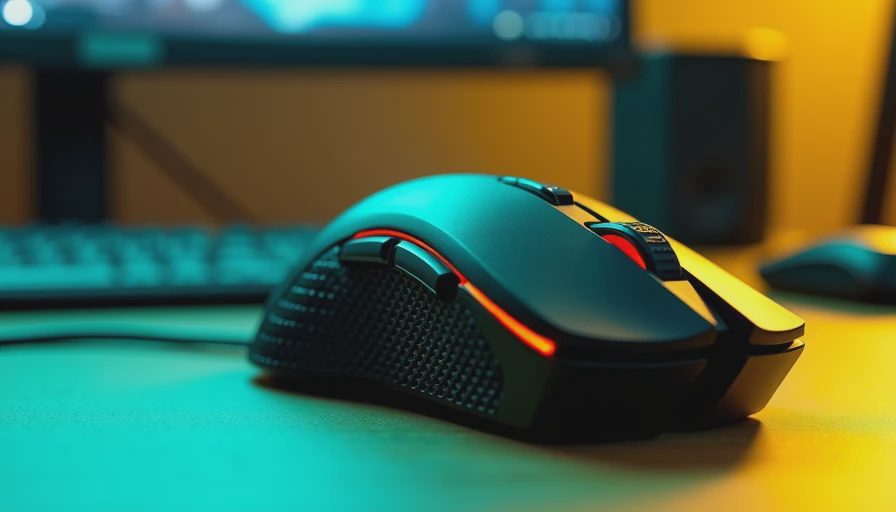
The free-to-play structure makes trying it easy, though optional purchases and Prime-related features can become part of the wider experience. You do not need an expensive gaming setup to understand the appeal, but stable performance, a decent mouse, and headphones that let you hear footsteps are meaningful advantages. A 144Hz monitor can make fast motion feel clearer, but it will not fix poor positioning or panic spraying.
I thought I knew what this game was. I did not. Beneath the memes, skins, arguments, and occasional match that feels cursed by ancient spirits, there is an elegant competitive system. Counter-Strike 2 asks you to pay attention, accept responsibility, and come back a little wiser. That is a rare bargain in a genre often built around noise.
Final Take from the Couch
Counter-Strike 2 is not cozy, but it can become familiar in the way a late-night diner is familiar: bright, slightly chaotic, and full of people carrying their own stories into the room. You will lose rounds that seemed impossible to lose. You will occasionally land a shot that makes you sit up and laugh. You will learn that teamwork is powerful and that no one has ever become a better teammate by shouting louder.
Give it a few sessions before deciding whether it is for you. Learn one map, one rifle, and a small collection of useful grenades. Play with people who make mistakes survivable. When the game stops feeling like random punishment and starts feeling like a language, you will understand why players keep returning years after first installing it. Counter-Strike 2 earned my evening, even when it absolutely did not earn my confidence.



No notes yet — write the first.